

Language acquisition in children relies on understanding language and then being able to use it, and anyone who loses control over their speech organs will develop speech and articulation disorders. A child is born with the capacity for expression, but cannot perform this function until the internal speech apparatus reaches a certain degree of maturity through the gradual growth of the speech organs. Notably, a child failing to pass through the stages of language growth (language acquisition stages) serves as an indicator of speech delay.
* Pre-Language Stage (Birth to 12 Months)
This stage includes:
– Crying stage: This begins with the first birth cry, which indicates that the child is breathing as air rushes into the respiratory system. At first, the cries are random and merely an involuntary process. Shortly after birth, crying becomes connected to the child’s emotional state, and cries vary according to the circumstances surrounding the child.
– Babbling stage: This stage begins at approximately the fourth month of life, as the child’s ability to control breathing and speech organs increases, enabling them to produce syllables that are random at first. At the age of seven months, the child’s babbling becomes rich, and chants and rhythms begin to closely match the sounds they hear from those around them. Children also produce sounds in the form of questions or expressions of surprise or joy, and some characteristics of the language they hear, such as volume and intonation, appear in their vocalizations.
– Imitation stage: This stage begins in the eleventh month of life. In it, the child’s drive to practice speech increases, and they try to imitate sounds, especially easy sounds that suit their physical apparatus. Imitation is very important in language learning, particularly during the transition from random babbling to meaningful words.
– Gestures stage: Linguists agree that children understand gestures, signs, and various expressions.
It should be noted that the preceding stages of babbling, imitation, and gestures serve as indicators that if a child fails to pass through them, it marks the beginning of a language delay problem.
* First Words Stage (Age 1 to 18 Months)
This stage features the beginning of intelligible speech. The child learns words and produces them as a single unit when acquiring them. The first words spoken by a child are understood only by those around them who know their vocabulary and personal way of pronouncing words, and the first word a child speaks is often a doubled single syllable, such as mama, papa, or dada.
At two years old, the child can understand hundreds of words and speaks about two hundred words. The end of this stage is marked by a steady increase in the number of words spoken by the child and the beginning of two-word utterances.
* Stage of True Speech and Language Comprehension:
This is the stage where the child begins to understand the meanings and significances of words. This appears in the early months of the second year, and meanings become clearer with the emergence of the initial communication elements that form sentences. The child begins to acquire nouns, then verbs, then adjectives, followed by prepositions, pronouns, and adverbs of place and time. By the age of three, the child is able to speak in longer sentences of three or four words or more.
By the end of five years, grammatical structures begin to appear as well. At approximately age eight, speech sounds are complete and sound, the child’s articulation stabilizes, and they can use language like adults.
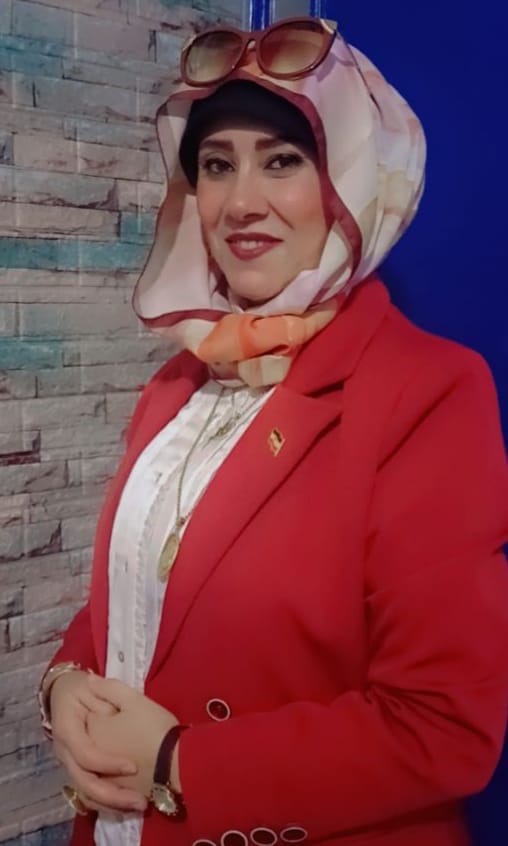
Dr. Hend Mahmoud : Consultant in Speech, Language, Communication, and Mental Health Disorders


Latest video
تابع معنا تحليل قراءة الصحف اليومية مع الكاتب الصحفي Hany Sallam عبر