

Read and prepared by Dr. Hisham Saad El-Sherbiny
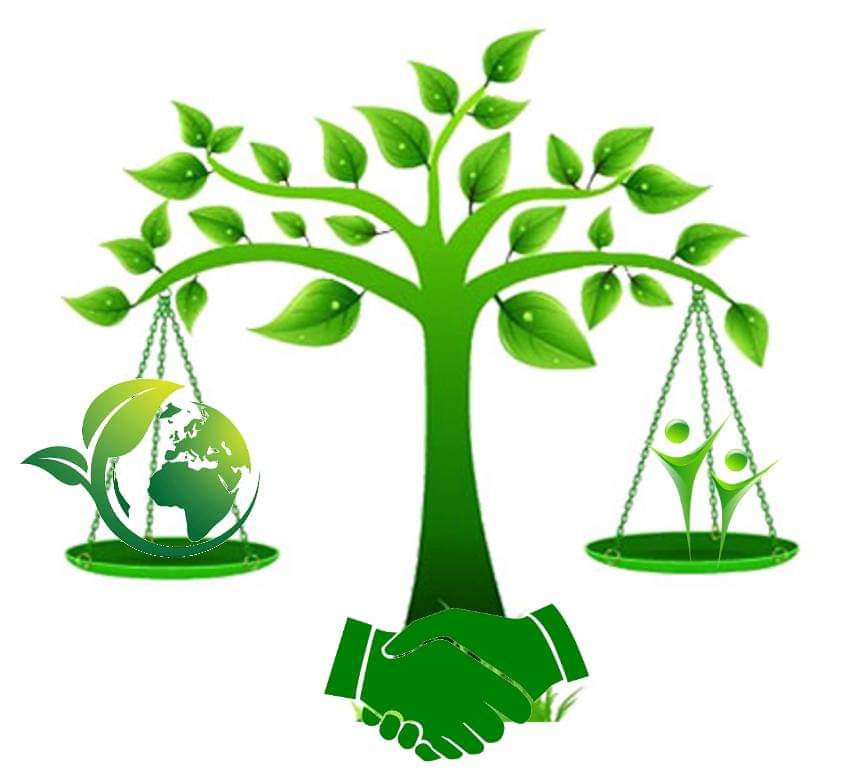
The concept of sustainable development seeks to balance human needs and aspirations with protecting and preserving the natural environment. The Sustainable Development Goals recognize that economic, social, and environmental objectives are connected and interdependent, and they strive to promote harmony and equity between human societies and the natural world. Striking a balance between human needs and the rights of nature is essential to achieving sustainable development.
How can we manage this balance….
Recognize that nature has intrinsic value and rights independent of its usefulness to humans. This perspective acknowledges that ecosystems and species have inherent value and deserve protection and respect, regardless of their practical value to human societies.
Meeting basic human needs for food, water, shelter, health, education, and livelihoods is fundamental to sustainable development. Ensuring access to these necessities while respecting ecological boundaries and promoting social justice is essential for human well-being.
Prioritize the health and safety of ecosystems, while recognizing their role in providing essential services such as clean air, water, food, and climate regulation. Protecting biodiversity, preserving habitats, and restoring degraded ecosystems are essential to maintaining life on Earth.
Adopt a balanced approach to resource use and conservation that minimizes environmental impact and maximizes resource efficiency. This entails promoting sustainable consumption and production patterns, reducing waste, and fostering resource stewardship.
Embrace the precautionary principle, which calls for caution when facing uncertainty and the potential for irreversible environmental harm. This principle emphasizes the importance of preventing environmental degradation and preserving natural resources as a precautionary measure.
Ensure that current generations meet their needs without compromising the ability of future generations to meet their own needs. This requires long-term thinking, responsible resource management, and the protection of natural capital for coming generations.
Promote inclusive decision-making processes that include stakeholders, such as local communities, indigenous peoples, civil society organizations, businesses, and governments. Engaging stakeholders ensures that diverse perspectives are considered and strengthens ownership of sustainable development initiatives.
Integrate economic, social, and environmental considerations into policymaking processes to address complex sustainability challenges holistically. This includes mainstreaming sustainability principles into governance frameworks, institutions, and decision-making at all levels.
Achieving a balance between human needs and the rights of nature requires a transformative shift in societal values, behaviors, and systems. By adopting a comprehensive understanding of sustainability and fostering cooperation across sectors and stakeholders, it is possible to build a more equitable, resilient, and harmonious relationship between human societies and the natural world.


Latest video
تابع معنا تحليل قراءة الصحف اليومية مع الكاتب الصحفي Hany Sallam عبر