
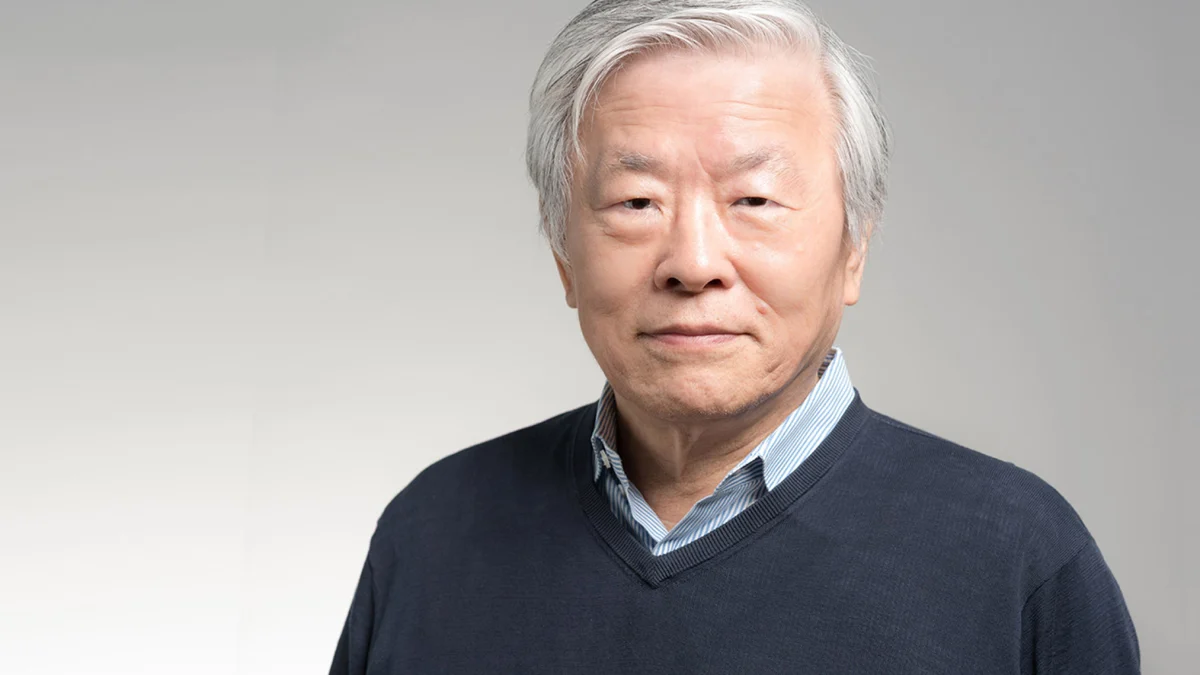

Prominent Japanese scientist Susumu Tonegawa, a Nobel laureate and professor of molecular biology at the Massachusetts Institute of Technology (MIT), has passed away at the age of 86. Tonegawa was a brilliant mind who drove a dual revolution across two completely different fields: immunology and neuroscience, leaving behind a scientific legacy that reshaped our understanding of how the body defends itself and how memories form in our brains.
Decoding Immune Diversity and the Nobel Prize
In the 1970s, scientists faced a major dilemma: how could the human body, which contains a limited number of genes, produce millions of different types of antibodies to confront an endless number of viruses and bacteria? This is where Tonegawa stepped in with a brilliant answer that shook the scientific community.
Tonegawa proved that genes in immune cells are not static, but undergo a process of rearrangement and combination similar to shuffling a deck of cards. This genetic “cut and paste” allows a small number of genes to generate a vast diversity of antibodies. Thanks to this revolutionary discovery, Tonegawa was awarded the Nobel Prize in Physiology or Medicine on his own in 1987, laying the cornerstone for our understanding of modern immunology and the development of vaccines.
From Genetic Engineering to the Secrets of Memory
Tonegawa’s passion did not stop at immunology. In the second half of his career, he decided to take on a new challenge in neuroscience, asking: how does the brain store memories, and how do we retrieve them?
He established a pioneering laboratory focused on studying engram cells. Using advanced techniques such as optogenetics, his team managed to identify the neurons responsible for storing specific memories in mice, and even succeeded in triggering specific memories, modifying them, and reactivating lost ones. This work opened entirely new horizons for understanding memory disorders such as Alzheimer’s, paving the way for promising future treatments.
A Departure Closing a Chapter of Scientific Contribution
The loss of Susumu Tonegawa is a heavy blow to the global scientific community. He was a symbol of relentless intellectual curiosity and the ability to move between complex disciplines and achieve leadership in them. Although he has passed away, his research will remain beacons lighting the way for researchers to understand the secrets of the human body and mind for decades to come.
By: Hany Sallam
Source: MIT News


Latest video
تابع معنا تحليل قراءة الصحف اليومية مع الكاتب الصحفي Hany Sallam عبر