
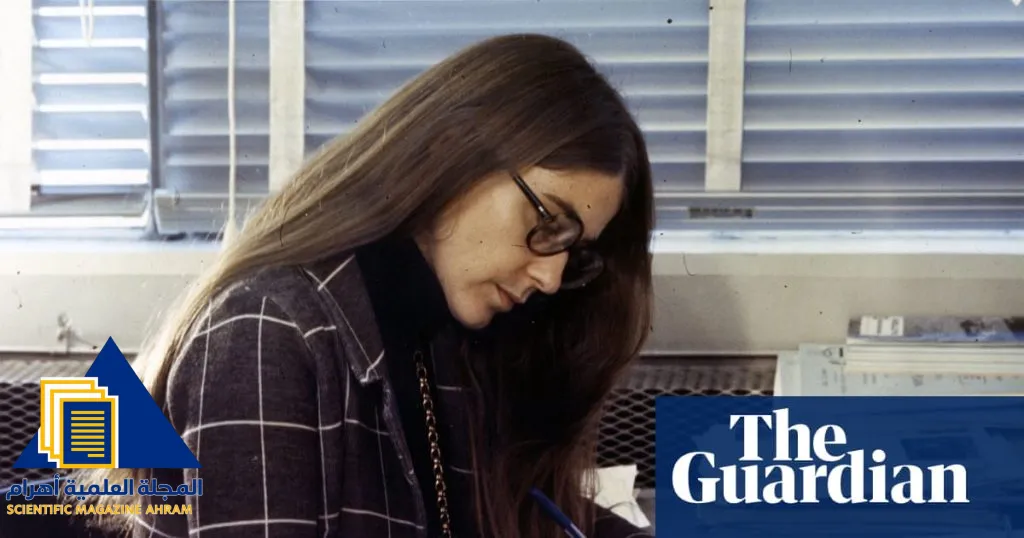

The Engineer of the Impossible
In a world where computers filled entire rooms and relied on punched cards, Margaret Hamilton emerged as a driving force that changed the course of human history. Hamilton passed away at the age of 90, leaving behind an indelible legacy. She was the woman who wrote the code that made human lunar landing possible, at a time when the profession of “software engineering” was not even known by its modern terms.
Out of Challenge: Programming the First Step on the Moon
When the Massachusetts Institute of Technology (MIT) launched its ambitious project to develop the guidance system for the Apollo 11 spacecraft, the task was not easy. Hamilton and her team had to create software capable of operating in an unprecedented space environment. This software was not just lines of text, but a lifeline for the astronauts. In the critical moments before the historic landing, her system successfully detected and bypassed errors, allowing the Eagle lunar module to land safely on the Moon instead of being forced to abort.
A Legacy That Exceeds Gravity
Margaret Hamilton was not just a programmer; she was a pioneer of the software engineering philosophy we use today. She insisted on testing every line of code she wrote herself, believing that a single mistake could lead to a space disaster. Thanks to her monumental contributions, she received the Presidential Medal of Freedom, becoming an icon who inspires new generations of women in science, technology, engineering, and mathematics (STEM). Her story always reminds us that behind every great achievement in space are creative minds that worked in silence to make history.
By: Hany Sallam
Source: theguardian.com


Latest video
تابع معنا تحليل قراءة الصحف اليومية مع الكاتب الصحفي Hany Sallam عبر