


The Passing of Juwairiya: A Quiet Warning That School First Aid Means Life
Surely to Allah we belong and to Him we shall return. We ask Allah to grant her family patience and solace, and to mend the hearts of her parents and loved ones.
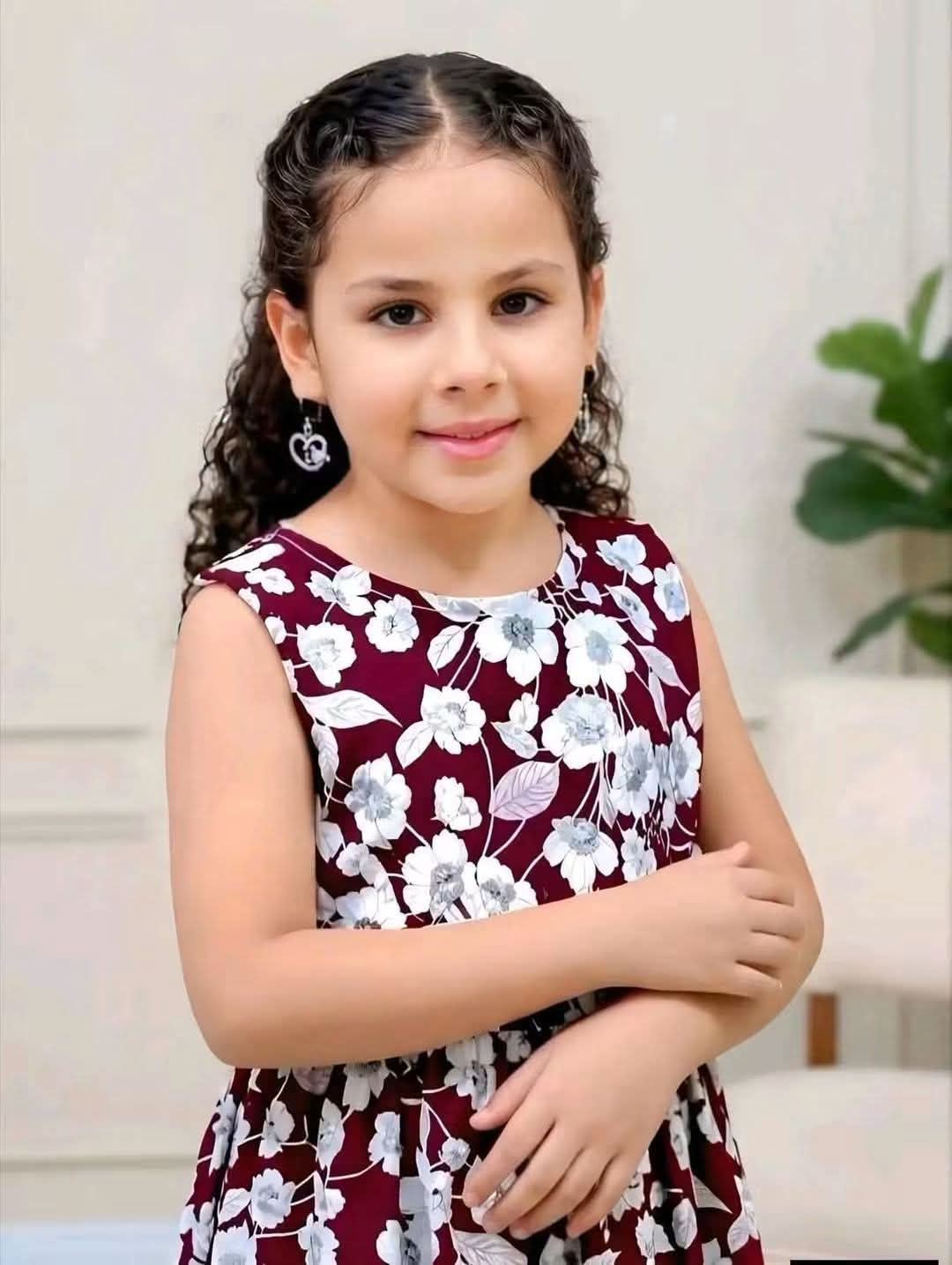
Heartbreaking news arrived yesterday, Monday, when young Juwairiya, a third-grade primary student at Seif El-Nasr Primary School in Dakahlia, suffered a sudden illness during the school day. Her mother, a teacher at the same school, rushed her to the hospital, but Allah’s will was carried out after her heart stopped. Juwairiya had diabetes.
Sincere condolences to the family of the young girl, to all teachers and students at Seif El-Nasr Primary School, and to the school administration, which lived through difficult moments. Losing a child at this age is truly heartbreaking, and it reminds us that a school is not just a place for learning, but a second home that shelters our children for long hours of their day.
School Health: Safety That Cannot Be Ignored
From this tragic news, I feel I must point out, earnestly and thoughtfully, some essential matters that we can no longer overlook.
First, could every school have a nearly fully equipped first-aid unit, at least with the bare minimum that can rescue what can be rescued if life remains? Does it make sense to leave a child suffering from a sudden illness, low blood sugar, a heart attack, or choking without an equipped place for rapid intervention inside the school?
A Student Health Record Is Essential
Second, can we ensure there is a clear health record for every student with a chronic illness such as diabetes, heart disease, or allergies, so a teacher knows how to act in the first minute—the golden or critical minute that may save a life?
Training Teachers in First Aid
Third, teaching even a few individuals in each grade, or even teachers as well, common first aid provided by specialists is something that may save many lives, so why not?!
School health is not a luxury; it is an essential part of educational safety. A school that receives hundreds of students daily must be prepared for any health emergency, whether it is low or high blood sugar, fainting, or a fall.
Having a first-aid unit does not mean a full hospital; it means a small, clean room with a bed, a blood pressure and blood sugar monitor, first-aid supplies, a small refrigerator to store necessary medications, and a teacher or administrator trained in first aid.
The “Life Bag in Every School” Initiative
Therefore, I earnestly request the Ministry of Education and the Ministry of Health to expand the school health program, and to train one or two teachers in each school in what is called First Aid—meaning rapid, simple intervention to save a life until a doctor arrives—which is known globally as Emergency Response, meaning the ability to act quickly and calmly in the first minutes of a crisis.
Until that is achieved, I propose a practical suggestion that can be implemented immediately and does not require a large budget: the “Life Bag in Every School” initiative. In this initiative, each school equips a small room or corner as a fitted first-aid unit, places a simplified health file for students with chronic illnesses there with parental consent, keeps a schedule of emergency numbers and the nearest hospital, and trains two teachers in first aid in cooperation with the nearby health unit.
This can start in Dakahlia schools as a pilot model and then be generalized. Even if it is currently implemented insufficiently, it should be carried out on a larger scale to serve its purpose.
From Sorrow to Life-Saving Action
The passing of little Juwairiya hurts us all, but it can become a reason to save other lives if grief turns into action. Can we make every school a healthy, safe place, just as we want them to be safe educational places?
May Allah have mercy on Juwairiya, make her an intercessor for her parents, and protect all our children.
Written by: Rody Nabil


Latest video
تابع معنا تحليل قراءة الصحف اليومية مع الكاتب الصحفي Hany Sallam عبر