
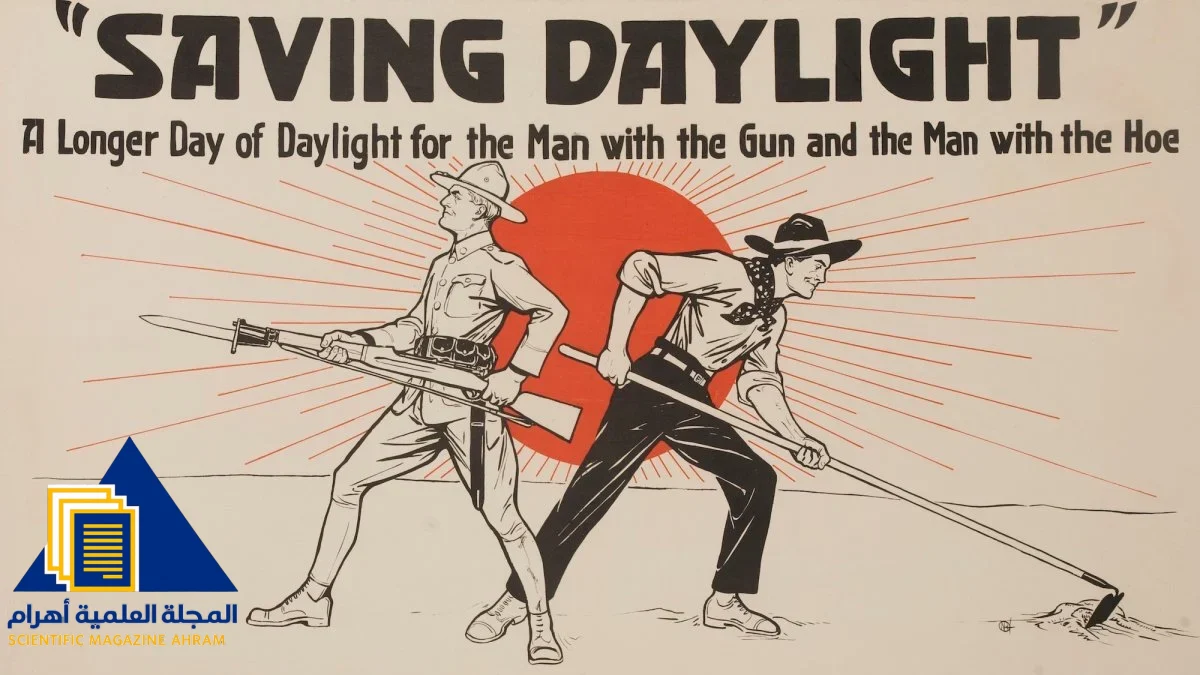

The Benjamin Franklin Myth and the Sarcastic Laugh
As daylight saving time begins, many people assume that the American scientist and prominent politician Benjamin Franklin was the mastermind behind the idea, citing his 1784 humorous essay in which he suggested that Parisians wake up early to save on candles. However, scientific and historical facts confirm that Franklin was not serious in his proposal. Instead, he was writing a text mocking human laziness that had nothing to do with setting clocks forward or back. So where did the idea actually come from?
The Explorer Who Searched for Sunlight
The true credit for launching the modern daylight saving time idea goes to the British entomologist and builder, architect William Willet. While riding his bicycle on an early London morning in 1905, he noticed how much daylight was being wasted while people slept. He dedicated the rest of his life to convincing the British government of the need to push clock hands forward in the summer to make the most of sunlight. Although he died before seeing his dream officially realized, his efforts laid the foundation for the practice used today.
Wars and Energy Crises Are the Real Driver
This practice did not spread globally for agricultural reasons, as some think. Instead, the conditions of wars and energy crises forced it. Germany and its allies were the first to officially adopt daylight saving time in 1916 during World War I to reduce coal consumption for generating electricity. Since then, clocks have changed twice a year for purely economic and strategic reasons, varying among countries according to longitude and the need to save energy.
By: Hany Sallam
Source: popsci.com


Latest video
تابع معنا تحليل قراءة الصحف اليومية مع الكاتب الصحفي Hany Sallam عبر